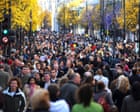
The Guardian view on Oxford Street’s pedestrianisation: cities should be designed around people, not cars | Editorial
Reported by The Guardian Business, not nibnow. We are not the publisher of this story, only the source is.
The pedestrianisation of Oxford Street marks a major shift for Europe's busiest shopping street, aiming to reduce traffic and create a greener environment. This change directly impacts millions of visitors, local businesses, and commuters navigating central London.
The transformation of Europe’s busiest shopping street should be a case study in making cities greener, less congested and more inviting places to live Sadiq Khan has been trying to pedestrianise Oxford Street since he first became the mayor of London in 2016. On Monday, after numerous setbacks, his plan will finally come to fruition. The busiest stretch of the nation’s famous shopping street will be closed to traffic in a scheme designed to improve the area and make it more attractive to pedest
Urban pedestrianisation projects are frequently used by city planners to reduce congestion, lower carbon emissions, and improve public health by prioritizing foot traffic over automobiles. Mayors often face complex political and logistical hurdles when attempting to close major commercial thoroughfares to vehicles.
- •The official implementation of the traffic closure and how local traffic patterns adjust around the area.
- •Initial reactions and foot traffic changes reported by local retailers and shoppers.
- •Potential long-term impacts on air quality and public transit use in central London.