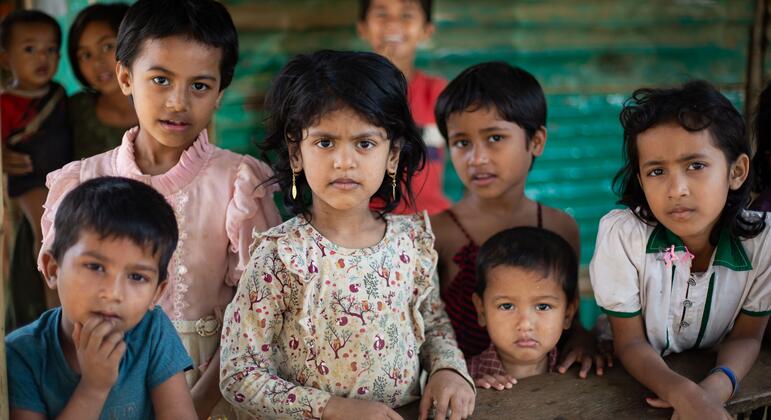
 Photo: UN News
Rohingya refugees deserve a future beyond survival, not endless displacement
Reported by UN News, not nibnow. We are not the publisher of this story, only the source is.
Nearly 1.2 million Rohingya refugees remain displaced in Bangladesh with an entire generation growing up in exile, while ongoing conflicts in Myanmar prevent safe returns. This protracted crisis highlights the urgent need for international support and accountability as conditions for voluntary repatriation do not currently exist.
Nearly a decade has passed since a massive wave of Rohingya people fled their homeland in Myanmar, creating what remains among the most complicated and prolonged refugee emergencies globally. Throughout this extensive period, the affected population has endured persistent mistreatment and continuous ambiguity regarding when or if they will ever be able to safely journey back to their places of origin. Humanitarian observers note that these individuals are currently trapped in a perpetual cycle of mere existence rather than having access to sustainable long term prospects or permanent solutions for their ongoing plight.
The Rohingya are a Muslim ethnic minority primarily from Myanmar's Rakhine state who have faced systemic discrimination and statelessness for decades. A major military crackdown in August 2017 forced hundreds of thousands to flee across the border into Bangladesh, creating one of the world's largest refugee settlements.
- •Whether the international community provides sustained funding and support for Bangladesh as it continues to host the refugee population.
- •Developments in the ongoing conflict in Myanmar and whether conditions for safe and voluntary repatriation eventually emerge.