An Ontario farmer says he turned down a C$16 million offer for his 164-acre fruit farm; instead, his family placed 29 acres under a 999-year easement, with plans to protect the rest from development
Reported by Times of India, not nibnow. We are not the publisher of this story, only the source is.
The farmer rejected a C$16 million deal and placed part of his land under a 999‑year easement, meaning a sizable tract of farmland near a fast‑growing Toronto corridor will stay undeveloped, affecting local housing supply and land‑use patterns.
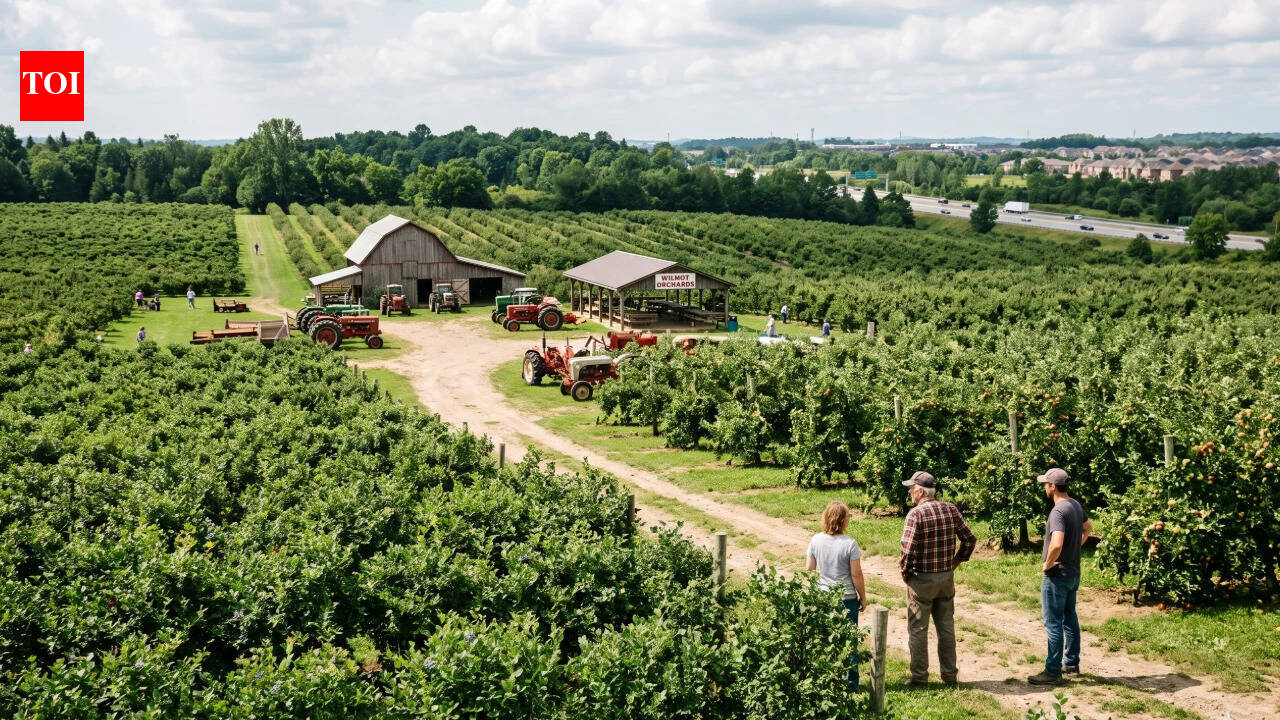
Charles Stevens, an Ontario farmer, recently declined a C$16 million acquisition proposal from a developer for his 164-acre Wilmot Orchards. The property, located near Newcastle and close to major transportation routes, is situated in a high-growth area of the Greater Toronto Region. In this specific location, agricultural land has become a prime target for residential and commercial expansion. Rather than selling the entire estate, Stevens and his family decided to prioritize long-term land preservation. They have already secured a 999-year easement covering 29 acres of the orchard. Additionally, the family intends to implement similar protective measures for the remaining portion of the property to prevent future development.
In Ontario, agricultural easements are legal agreements that restrict future development on farmland, preserving it for farming and limiting urban sprawl; the Greater Toronto Area is experiencing rapid population growth that drives demand for new housing on nearby farms.
- •Monitor whether the 999‑year easement is formally registered and approved by local authorities
- •Watch for any future offers or legal challenges to the easement as development pressure continues
- •Follow regional planning decisions that could affect zoning or development rights around the farm