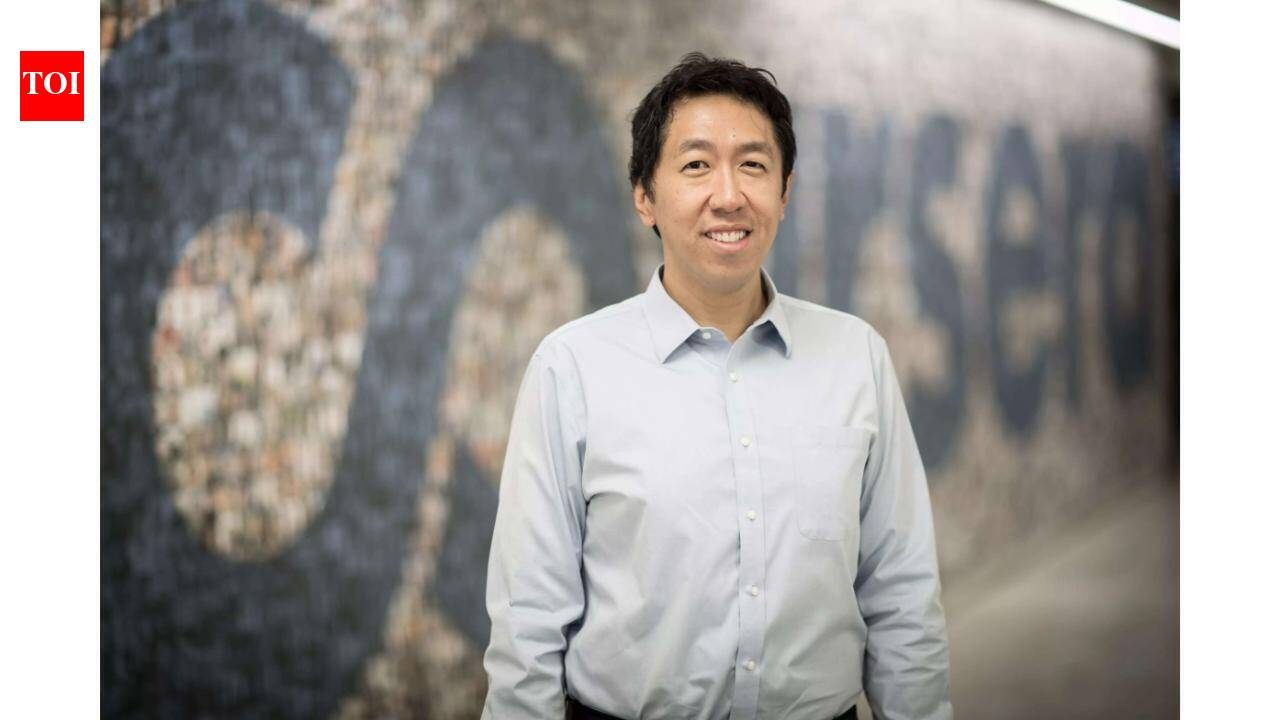
Google Brain cofounder and AI pioneer Andrew Ng tells ‘one of the most disgusting things’ he has seen that AI is being used for
Reported by Times of India, not nibnow. We are not the publisher of this story, only the source is.
AI pioneer Andrew Ng highlighted the generation of non-consensual deepfake intimate photos as a severe misuse of modern software, drawing attention to the immediate harm caused by malicious applications of the technology.
Andrew Ng, a prominent figure in artificial intelligence and a co-founder of Google Brain, recently discussed the ethical challenges surrounding modern software. In an interview on The Economist's Inside Tech podcast, he highlighted the creation of non-consensual deepfake intimate images as a particularly offensive misuse of AI. While expressing strong disapproval of these harmful applications, Ng also pushed back against the idea that AI poses an existential threat to society. His comments emphasize the need to address specific malicious uses of the technology while maintaining a balanced perspective on its broader impact on the world.
Andrew Ng is a prominent figure in the technology industry as a cofounder of Google Brain and an influential voice in artificial intelligence development. Deepfake technology uses machine learning to manipulate or generate visual and audio content, often raising significant legal and ethical concerns regarding privacy and consent.
- •Further commentary or policy proposals from technology leaders regarding the regulation of generative artificial intelligence.
- •Developments in software tools designed to detect and prevent the creation of non-consensual deepfake images.